BUILDING AND CONSTRUCTION
| Site: | TARUS OGIEK TECHNICAL TRAINING INSTITUTE |
| Course: | TARUS OGIEK TECHNICAL TRAINING INSTITUTE |
| Book: | BUILDING AND CONSTRUCTION |
| Printed by: | |
| Date: | Tuesday, 1 September 2026, 6:39 PM |
Description

1. Introduction
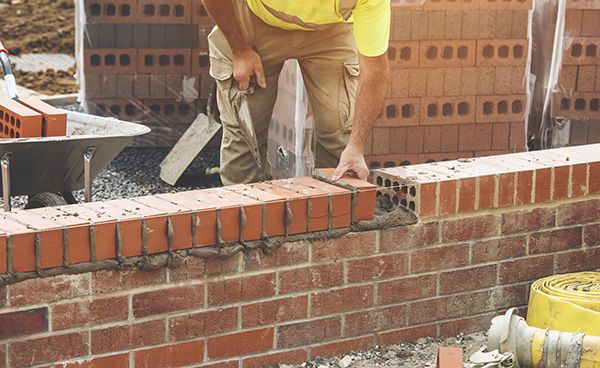
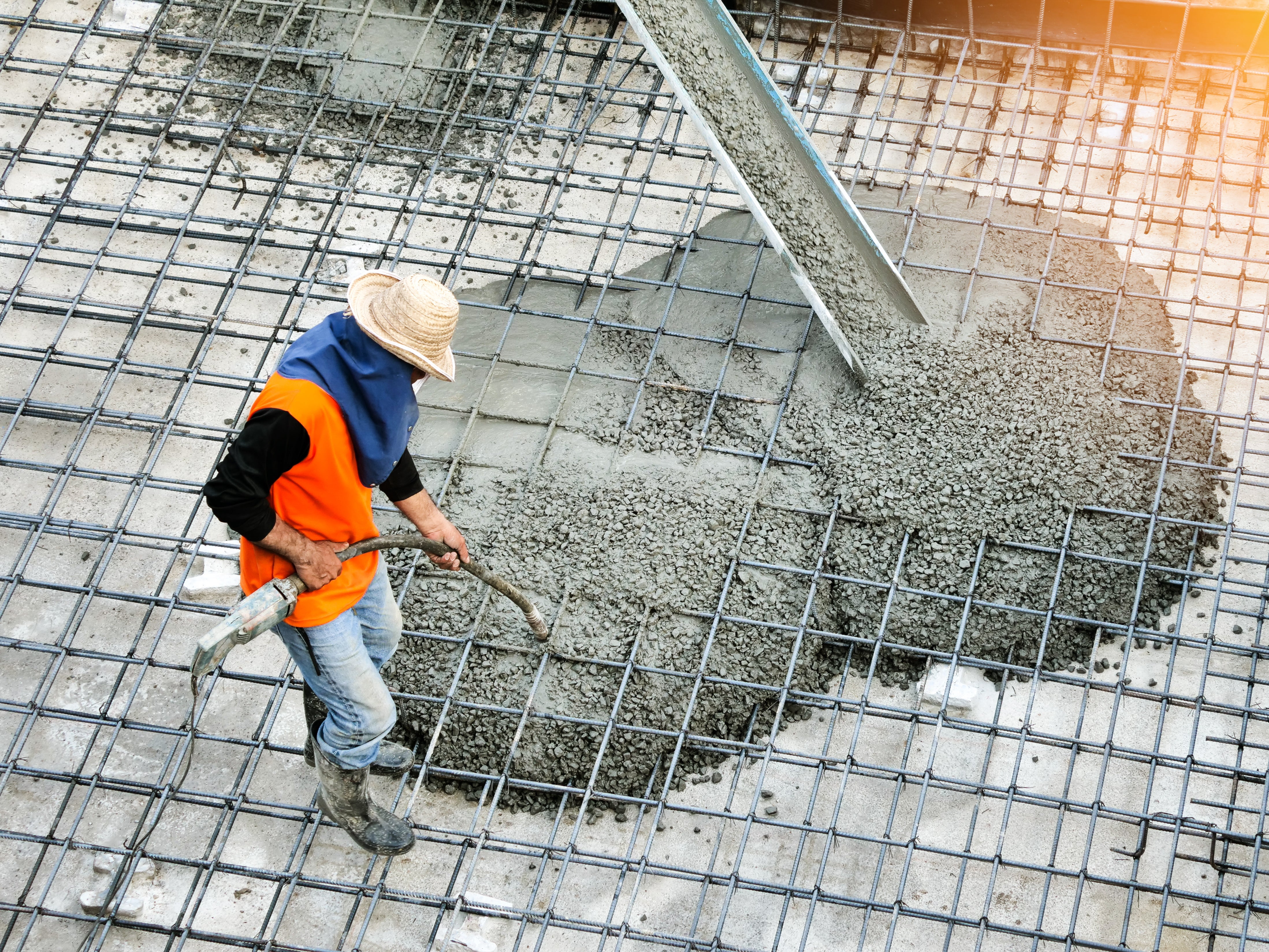
Building construction is the process of assembling materials and components to form a structure that is safe, functional, and durable. It involves planning, designing, material selection, and execution according to engineering standards.
Building construction integrates:
-
Materials (cement, concrete, steel, timber)
-
Skilled labor
-
Tools and machinery
-
Construction techniques
2. Objectives of Building Construction
-
Provide shelter for human activities
-
Ensure safety and durability
-
Enhance aesthetic appeal
-
Improve comfort and functionality
-
Meet regulatory and environmental standards
1. INTRODUCTION TO BUILDING AND CONSTRUCTION
Chapter 1: Introduction to Building and Construction
-
Definition and scope of building construction
-
Importance and objectives of construction
-
Classification of buildings (residential, commercial, industrial, public)
-
Overview of construction process
1.1. Definition and scope of building construction
Definition and Scope of Building Construction

1. Definition of Building Construction
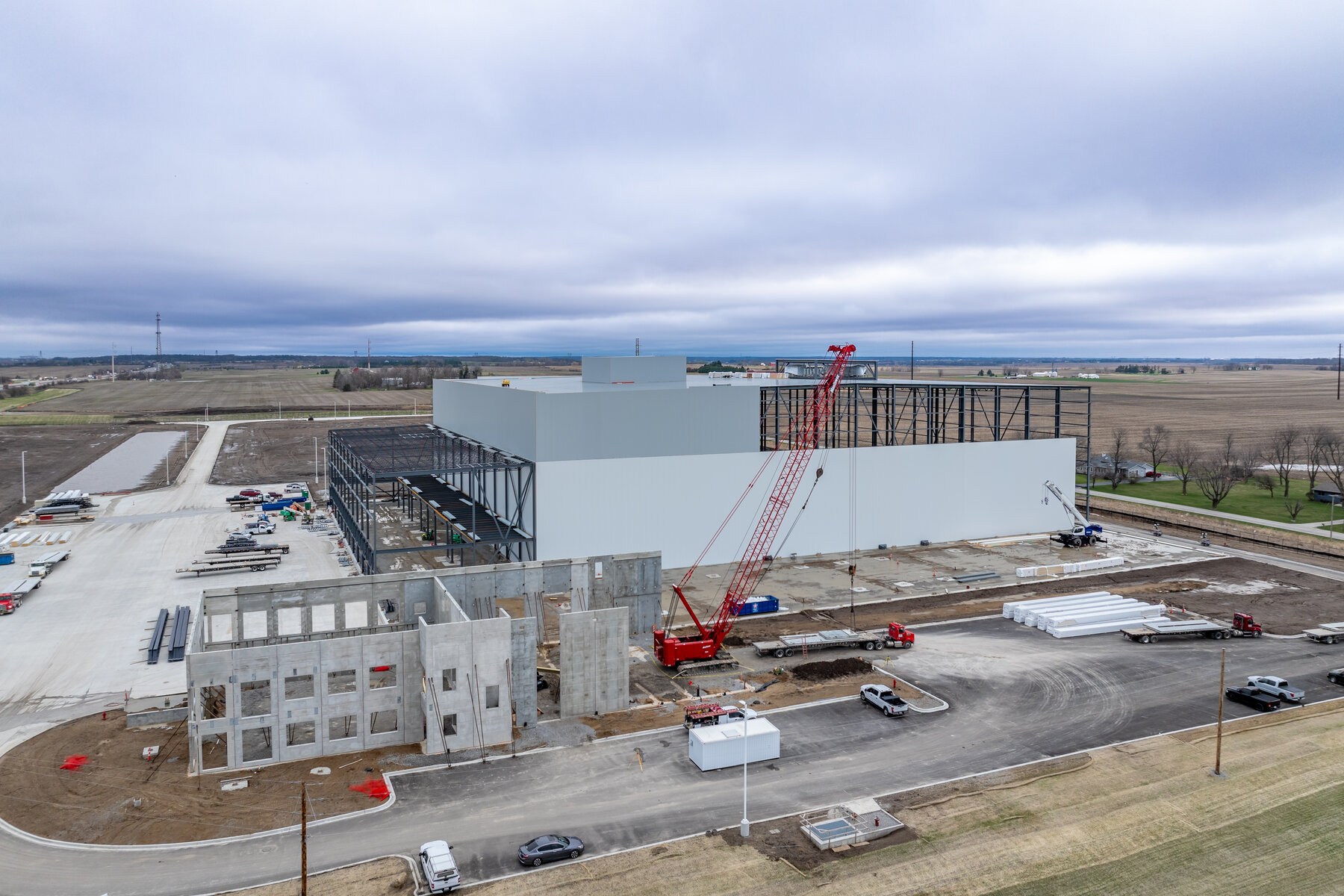
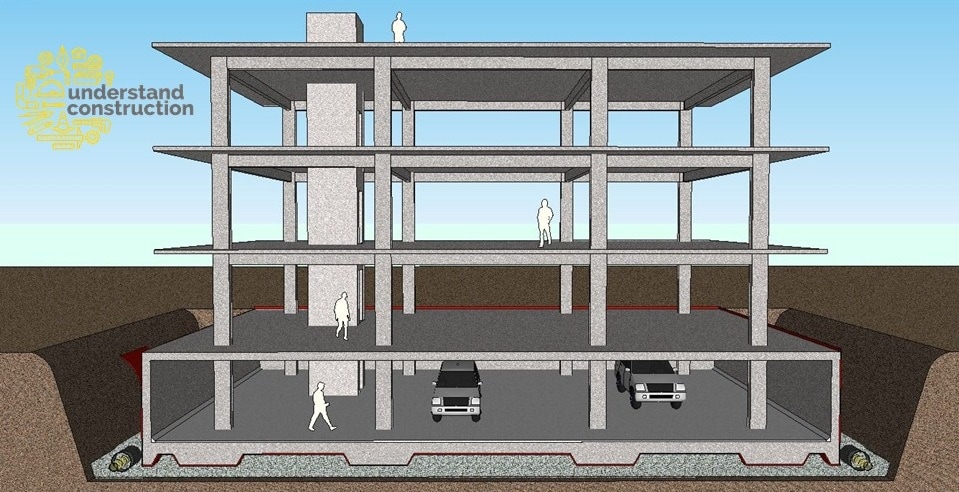
Building construction is the process of assembling materials, components, and systems to create structures that are safe, functional, durable, and aesthetically pleasing.
It involves the planning, designing, material selection, and execution of works according to engineering principles, building codes, and standards.
Key aspects of the definition:
-
Construction is both a technical and practical process.
-
Structures include residential, commercial, industrial, and public buildings.
-
It ensures safety, durability, functionality, and comfort.
2. Scope of Building Construction
The scope refers to the extent and range of activities and considerations involved in the construction process. It includes:
a) Planning and Design
-
Site selection and surveying
-
Building layout and architectural design
-
Structural design and specifications
b) Materials Selection and Procurement
-
Choosing appropriate building materials (cement, concrete, steel, timber, bricks, blocks, glass, etc.)
-
Ensuring quality and availability
c) Construction Techniques
-
Masonry, concrete, steel, and timber construction
-
Roofing, flooring, and finishing works
-
Modern techniques such as precast and modular construction
d) Services Installation
-
Electrical systems
-
Plumbing and drainage
-
Heating, ventilation, and air conditioning (HVAC)
-
Fire safety systems
e) Safety and Compliance
-
Adherence to building codes and regulations
-
Occupational safety standards
-
Site safety management
f) Project Management
-
Scheduling and planning
-
Cost estimation and budgeting
-
Quality control and supervision
-
Resource management
g) Sustainability and Environmental Considerations
-
Use of green and sustainable materials
-
Energy efficiency in design and construction
-
Waste management and environmental protection
3. Importance of Defining Scope
-
Clarifies what is included in a project
-
Helps in planning resources and timelines
-
Reduces construction errors and cost overruns
-
Ensures compliance with regulations and standards
Conclusion
Building construction is a complex, multidisciplinary process that extends from planning and design to finishing and maintenance. Its scope covers materials, techniques, safety, project management, and sustainability, ensuring that structures meet functional, aesthetic, and regulatory requirements.