BUILDING CONSTRUCTION MATERIALS AND TECHNIQUES
| Site: | TARUS OGIEK TECHNICAL TRAINING INSTITUTE |
| Course: | TARUS OGIEK TECHNICAL TRAINING INSTITUTE |
| Book: | BUILDING CONSTRUCTION MATERIALS AND TECHNIQUES |
| Printed by: | |
| Date: | Tuesday, 1 September 2026, 6:39 PM |
Description

1. Introduction
Building construction materials and techniques refer to the materials used in construction and the methods applied to assemble them to form safe, durable, and functional structures. The selection of materials and techniques depends on factors such as cost, availability, climate, strength requirements, and intended use of the building.
1. INTRODUCTION TO BUILDING MATERIALS AND TECHNIQUES
1.2 Meaning of Building Construction
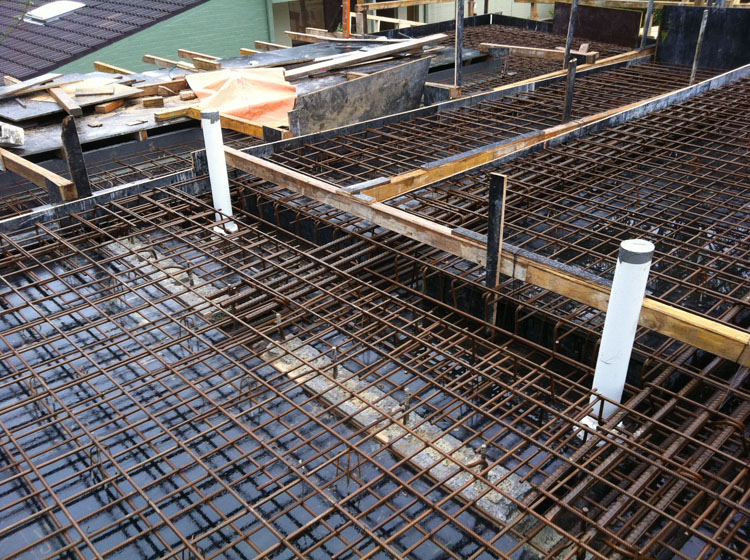
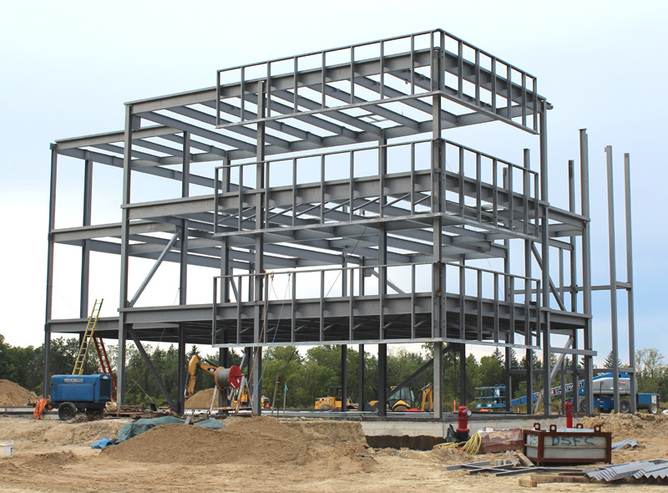
Building construction refers to the process of assembling materials to create a structure that is safe, functional, and durable. It involves planning, design, material selection, and execution of works according to specifications.
Construction combines:
-
Materials
-
Skilled labor
-
Tools and equipment
-
Construction techniques
1.3 Classification of Building Materials
1. Natural Materials
Obtained directly from nature with little processing.
Examples:
-
Stone
-
Timber
-
Sand
-
Clay
2. Manufactured (Artificial) Materials
Produced through industrial processes.
Examples:
-
Cement
-
Concrete
-
Steel
-
Glass
-
Bricks
1.4 Importance of Building Materials
Building materials are important because they:
-
Provide strength and stability
-
Ensure durability
-
Improve appearance (aesthetics)
-
Provide insulation (thermal and sound)
-
Ensure safety and comfort
Proper selection of materials affects the overall performance and lifespan of a building.
1.5 Factors Affecting Selection of Materials
When selecting materials, consider:
-
Cost and availability
-
Strength and durability
-
Climate conditions
-
Maintenance requirements
-
Environmental impact
-
Local building regulations
2. PROPERTIES OF BUILDING MATERIALS
1. Introduction
Properties of building materials refer to the characteristics that determine how a material behaves under different conditions such as load, temperature, moisture, and fire. Understanding these properties helps in selecting suitable materials for construction.
2. Physical Properties
These describe the natural characteristics of a material.
2.1 Density
Mass per unit volume of a material.
-
High density → stronger and heavier (e.g., concrete)
-
Low density → lighter (e.g., timber)
2.2 Porosity
Ability of a material to absorb water.
-
High porosity → absorbs more moisture
-
Affects durability
2.3 Moisture Content
Amount of water present in a material.
Important for timber and soil.
2.4 Specific Gravity
Ratio of material density to water density.
2.5 Texture and Appearance
Surface finish and color affect aesthetics.